
First Law Enforcement Group Backs CLARITY Act as Lummis Continues to Press for July Senate Vote

Key Takeaways
NOBLE endorsed the Clarity Act on July 2, the first major law enforcement group to back the crypto bill.Senator Lummis is pressing for a July Senate vote, with a July 13-Aug. 7 window before the August recess.The bill needs 7 Democratic crossovers to reach 60 votes; Galaxy Research puts 2026 passage odds at 50%.
An Unexpected Ally
The National Organization of Black Law Enforcement Executives (NOBLE) publicly endorsed the Digital Asset Market Clarity Act on July 2, becoming the first major law enforcement organization formally backing the market-structure legislation. Journalist Eleanor Terrett first reported the endorsement, which arrived in a letter to Senate lawmakers as negotiations on the bill’s final text entered their closing stretch.
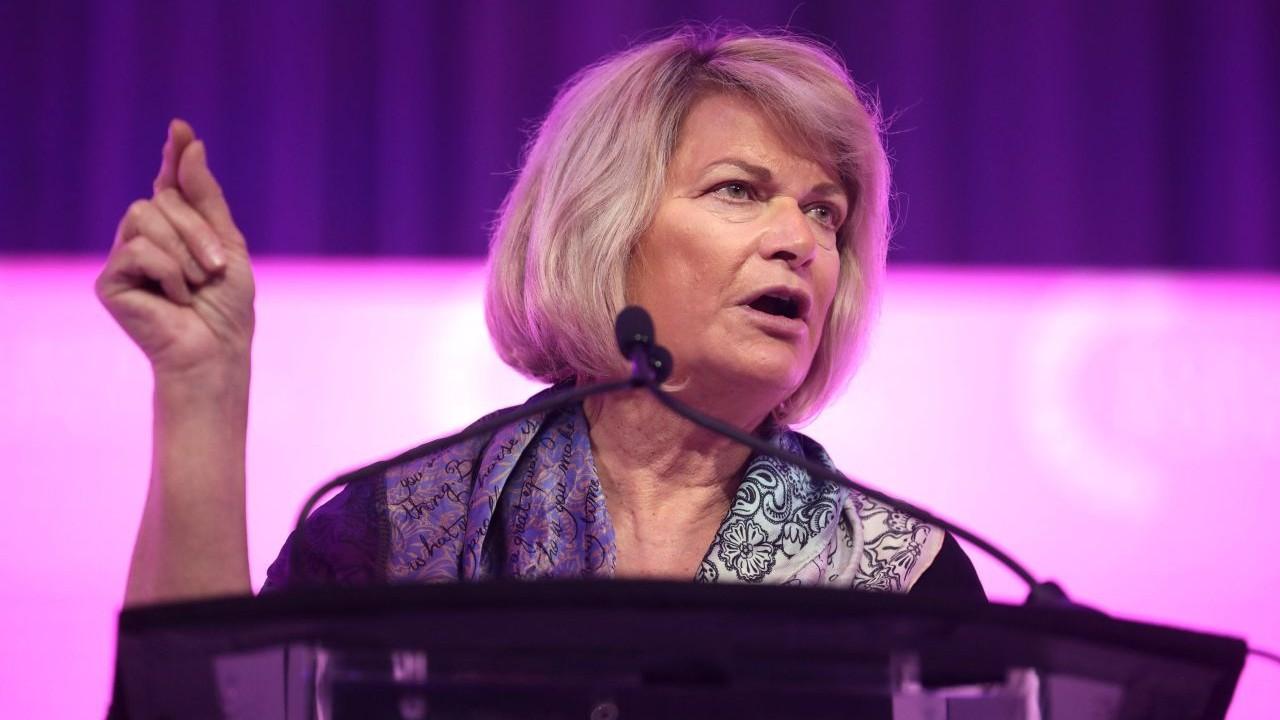
The backing lands at a time when Wyoming Republican Senator Cynthia Lummis, one of the bill’s leading champions, postured the legislation the same day as a matter of national competitiveness, adding:
“America has led every great technological revolution; the railroad, the internet, the smartphone. Digital assets are next. The Clarity Act makes sure we don’t hand that lead to someone else.”
Law enforcement support addresses one of the loudest criticisms of the 309-page bill, i.e. it could weaken tools for policing illicit finance. In its letter, NOBLE argued the opposite, writing that the legislation “preserves existing criminal justice authorities while adding investigative tools for digital-asset cases.”
What the Letter States Exactly
For starters, NOBLE’s endorsement singles out the bill’s enforcement architecture, pointing to anti-money laundering (AML) and Bank Secrecy Act coverage for digital-asset intermediaries under Section 201, sanctions enforcement tools in Section 303, and Section 305 authority for temporary holds on suspicious transactions.
The organization also addressed Section 604, which houses the Blockchain Regulatory Certainty Act (BRCA), a provision shielding non-custodial software developers from money-transmitter licensing. Rather than treating it as a loophole, NOBLE noted:
“[The bill would] expand regulatory obligations for digital-asset industry participants, strengthen digital-asset seizure authority and transparency, and tighten oversight of virtual-asset kiosks.”
That language goes directly against warnings issued by Senator Elizabeth Warren, the Massachusetts Democrat who voted against the measure when the Senate Banking Committee advanced it 15-9 in May. With the first major police organization now on the record saying the legislation strengthens rather than starves enforcement, the illicit-finance argument becomes harder to press on the floor.
The Clock Is the Real Opponent
As Bitcoin.com News reported earlier this week, Senate Republican leadership is racing to pass the bill before the August recess, with a critical four-week window running from July 13 to Aug. 7. The National Defense Authorization Act could consume the week of July 13, potentially pushing the Clarity Act’s floor time to late July or early August (and a miss before recess would dim passage prospects into 2027).
The vote math remains tight, as Republicans hold 53 seats, meaning at least seven Democratic crossovers are needed to clear the 60-vote filibuster threshold. Galaxy Research puts the odds of passage this year at roughly 50%. Senate Banking Committee Chair Tim Scott and Majority Leader John Thune are coordinating the floor schedule, while Lummis has publicly set July as her deadline for a vote.
Regardless, the NOBLE endorsement gives wavering Democrats a law enforcement constituency, rather than the crypto industry, vouching for the bill’s investigative teeth. Whether that is enough to pry loose seven votes may become clear within the coming few weeks.


